Description
A first-person walkthrough of how to book hotels with AI in 2026, covering why the old search-and-scroll method is broken, how AI booking actually works, and why BookingGPT is the only app that completes the entire booking — not just the research.
How I Book Hotels With AI Now (And Why I'll Never Go Back to Scrolling)
TLDR
- The old way — open Expedia or Booking.com, filter, scroll, compare, repeat — wastes 30-45 minutes on a task that should take seconds.
- According to a March 2026 analysis by NYU SPS and BCG, 37% of travelers already use AI to book trips. The shift is real and it's fast.
- I book hotels with AI by typing exactly what I want in plain language. The AI finds live availability, real prices, and completes the booking. No tabs, no filters, no decision fatigue.
- The app I use is BookingGPT — it's the only one I've found that goes all the way from "I want a hotel" to "booking confirmed."
Table of Contents
- The Problem With the Old Way
- What It Actually Means to Book Hotels With AI
- How I Do It: A Real Booking, Step by Step
- What Most "AI Travel" Tools Get Wrong
- Why This Shift Is Bigger Than You Think
- The App I Use to Book Hotels With AI
The Problem With the Old Way
Last year, I timed myself booking a hotel in Barcelona.
Open Expedia. Type "Barcelona hotels." Set the dates. Filter by price. Scroll. Find something decent. Read 47 reviews. Notice the "free cancellation" badge is missing. Go back. Filter again. Jump to Booking.com to compare. Realize the price is slightly different. Wonder why. Open three tabs. Forget which tab was which.
Forty-one minutes later, I had a booking I wasn't totally sure about.
That's the old way. That's how Booking.com and Expedia work — they give you a list and make you do all the thinking. They're structured for browsing, not for deciding. And when you're standing in an airport with 20 minutes before your gate closes and you still need a hotel for tomorrow night, that process doesn't work.
Something had to change.
What It Actually Means to Book Hotels With AI
There's a lot of confusion around AI and travel right now. Most "AI" features on existing platforms are just glorified filters. You still scroll. You still compare. The AI just pre-fills a form.
To actually book hotels with AI means something different: you describe what you want in plain language, and the AI does the work — finds real availability, surfaces actual prices, and completes the booking. No scrolling, no comparison tabs, no decision fatigue.
The NYU SPS and BCG "AI-First Hotels" report (March 2026) calls this shift the "ask and book era" — hotel discovery moving from search-and-scroll to a direct conversational transaction. They found 37% of travelers already use AI-embedded tools to find and book trips. That number is climbing fast.
The difference between AI that assists and AI that executes is the entire game.
How I Do It: A Real Booking, Step by Step
Here's exactly what booking hotels with AI looks like when it works properly.
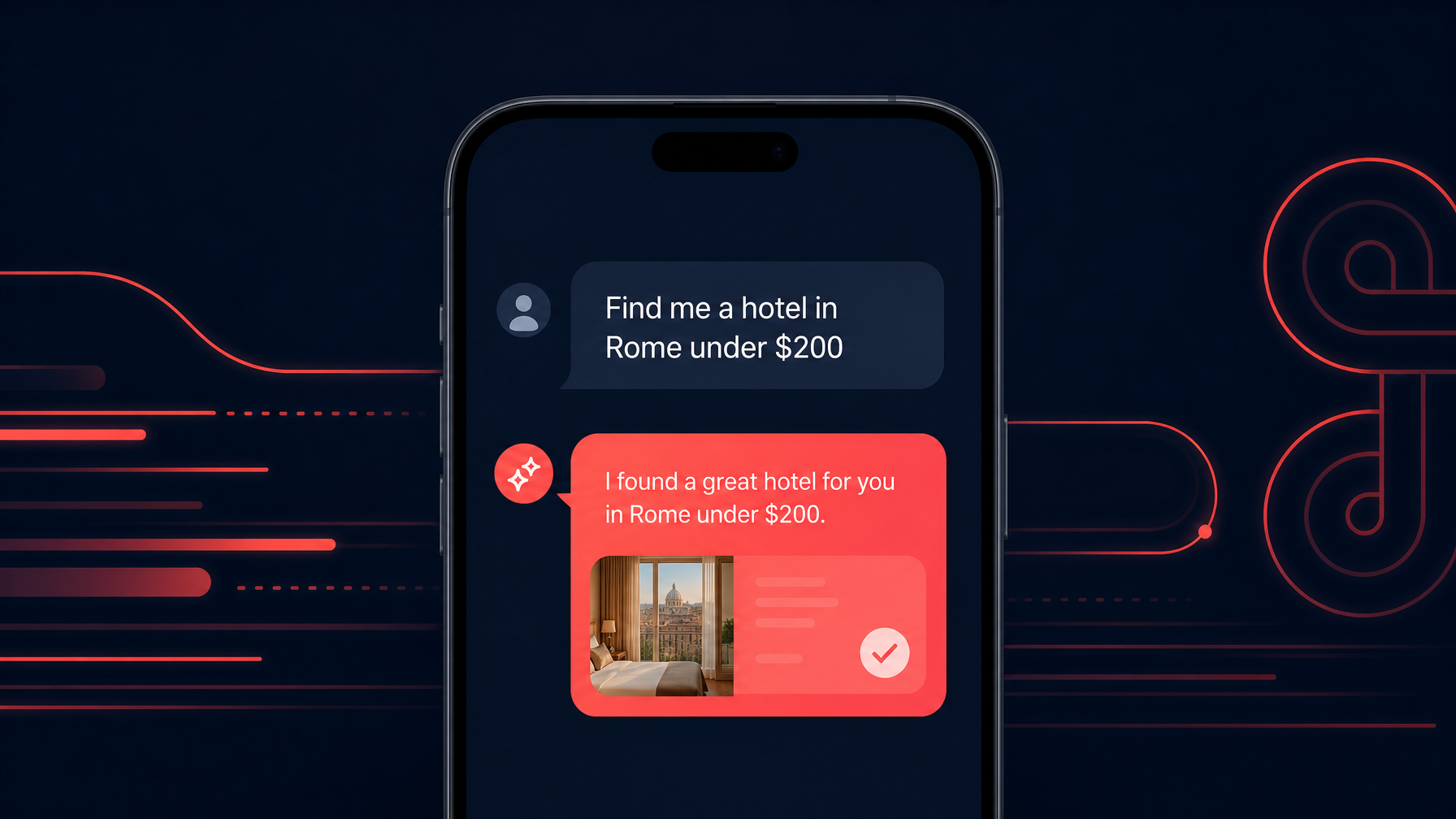
What I type: "Find me a hotel in Rome near the Colosseum, under $180 a night, check-in Friday, check-out Sunday, good reviews."
That's it. One sentence. In plain English.
What happens next: BookingGPT pulls live availability for those dates. It doesn't show me a list of 200 options. It surfaces the best matches for what I actually described — price range, location, quality — with real-time rates.
What I do: I pick the one I want. I confirm. Done.
The whole thing takes under two minutes. Not because I'm rushing — because there's nothing left to do. The AI handled the search, the filtering, the rate checking. I just made the final call.
That's the difference between using AI as a search enhancement and using AI as an actual booking tool.
What Most "AI Travel" Tools Get Wrong
I've tried a lot of things in this space. Most of them have the same problem: they stop at the research stage.
They'll tell you what neighborhoods to consider. They'll generate a list of hotels that "might" fit your budget. They'll describe amenities in enthusiastic paragraphs. And then they hand you a link and tell you to go book it somewhere else.
That's not booking with AI. That's AI-assisted Googling.
The question to ask any tool is simple: does it complete the booking, or does it just describe options?
If the answer is "it describes options," you're still doing the hard part yourself. The friction hasn't been removed — it's just been moved slightly earlier in the process.
Why This Shift Is Bigger Than You Think
The BCG/NYU research highlights something important: OTA (online travel agency) commissions run 15%-30% per booking. Hotels pay that cost, and some of it flows back to you as inflated rates or removed perks. AI-native booking tools that bypass the traditional OTA stack can work differently — and that matters for what you actually pay.
On top of that, hotel discovery itself is changing. Relevance in AI recommendations works differently from relevance in Google search or OTA ranking. The traveler who learns to describe exactly what they want in plain language — and uses a tool that actually executes on that description — ends up with a faster booking and often a better result.
The travelers who figured this out first are already ahead. That 37% statistic from BCG isn't a future prediction. It's where people are right now.
The App I Use to Book Hotels With AI
I use BookingGPT.
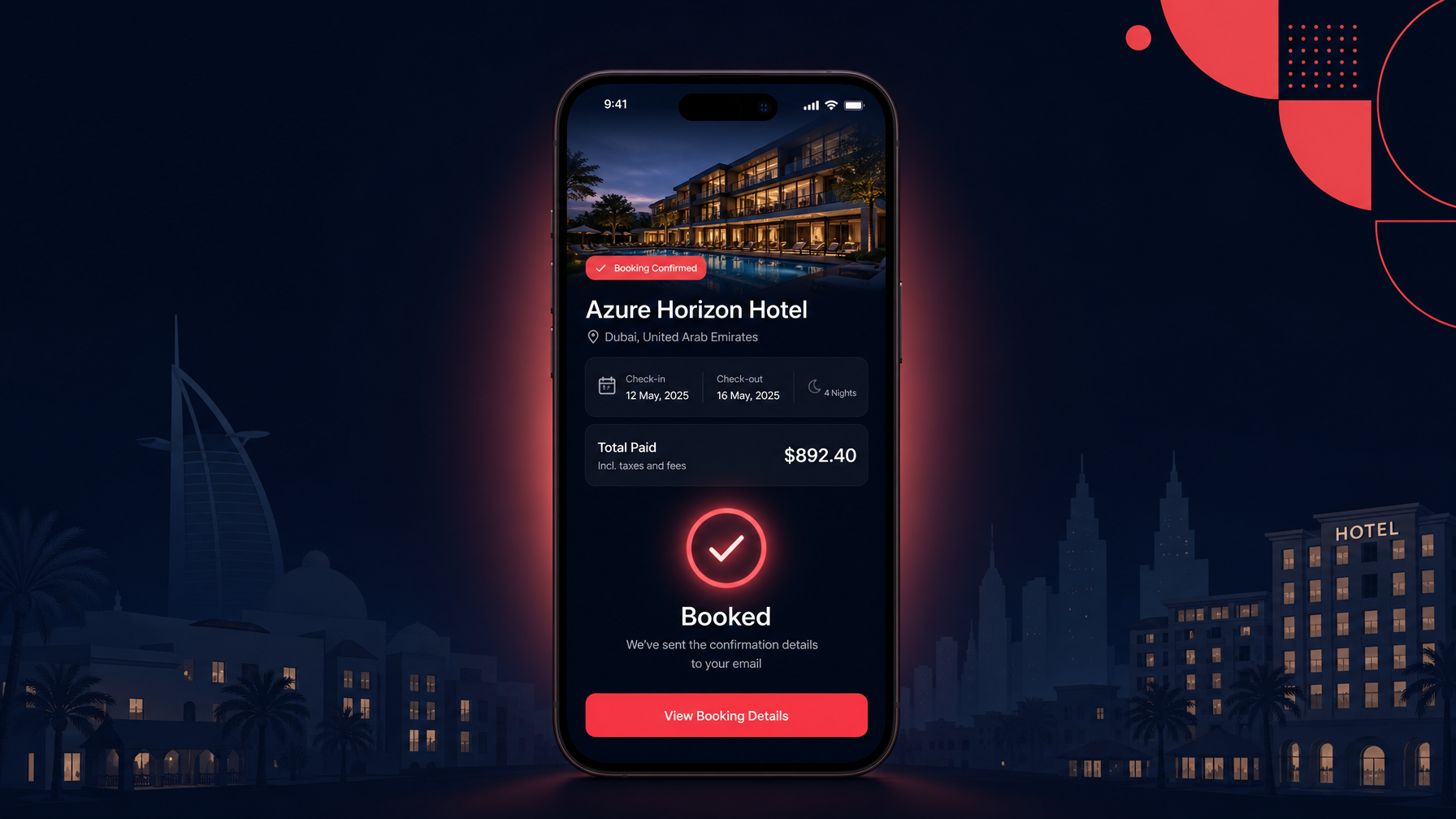
It's the only app I've found that actually completes the full booking loop. You type what you want. It finds live availability and real prices. You confirm. The reservation is done.
No redirect to Expedia. No "here are some options, go check their sites." No research-without-execution.
BookingGPT is available on iOS and Android. If you've been doing the 40-tab scroll for hotel bookings, one session with it will make that feel like a bad habit you can finally drop.
Download BookingGPT and book your next hotel in seconds
Sources: